


17 Oct Madness and Miracles
Art, in any form—and particularly in filmmaking—relies on a carefully constructed distortion of reality to create a curated experience for the viewer. When executed successfully, even the most unrealistic events on screen can have a profoundly realistic impact on the audience.
Yet the filmmaking process itself can be so implausible that it sometimes feels more fictional than the story being told. Documentaries such as Hearts of Darkness: A Filmmaker’s Apocalypse, Lost in La Mancha, and, more recently, Megadoc (about Megalopolis) offer compelling insights into the miracles and madness that accompany the creation of a film. Each reveals the distinct ecosystem surrounding a production and the point at which a director’s vision becomes inseparable from chaos.
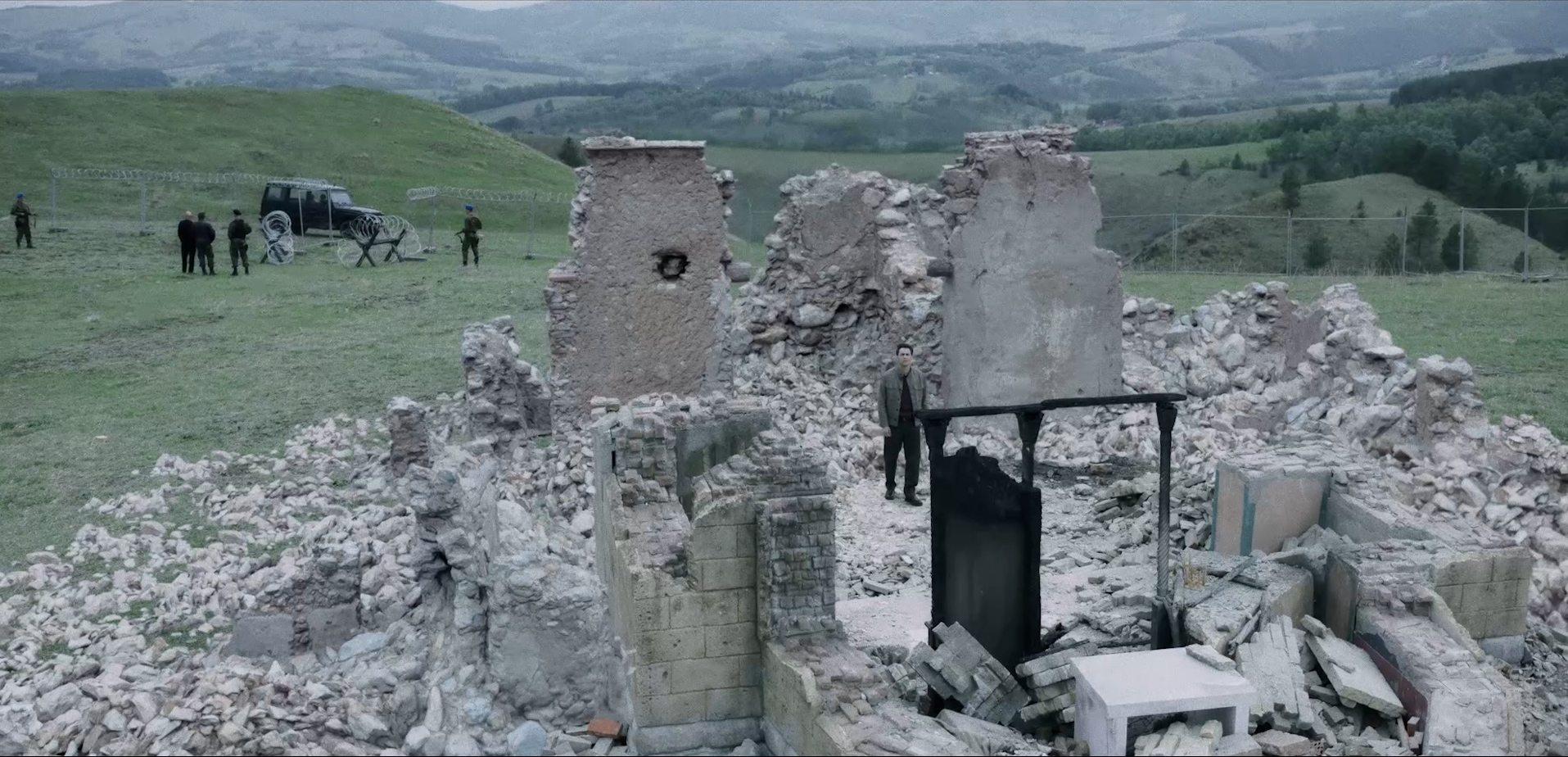
In that same spirit, the making of my latest film, Harvest, followed a similar trajectory—a collision of vision and disorder that blurred the line between fiction and reality. What began as a cinematic search for truth soon became its own unfolding drama, filled with unexpected turns, shifting loyalties, and moments of surreal disbelief. The movie I set out to direct became inseparable from the madness of its making.
The film is based on true events involving illegal organ harvesting in the aftermath of the Kosovo War in Serbia. I believed the subject matter—and the inherent risks of tackling it—would provide sufficient drama on their own. Yet the process of completing the film proved far more treacherous than I could have imagined.
Even now, I struggle to comprehend the threats, payoffs, forgeries, lies, betrayals, and sacrifices that unfolded along the way. Allies turned into adversaries, and after facilitating over ten million dollars in production within Serbia, I was even accused of collaborating with Kosovo Albanians to ensure Harvest would never be released. I knew these accusations were mere propaganda—an attempt to divert attention from the dizzying web of money-laundering schemes that nearly derailed the film.
Like the directors of the films I mentioned earlier, I felt my own descent into madness. Each time the production seemed doomed, a miracle would appear—reviving the project and feeding my irrational belief that more miracles would arrive as needed. In truth, they were not miracles but the result of smart, dedicated, and well-connected individuals who found ways to navigate the corruption and keep the project alive. Still, as the director, it often felt like divine intervention—the hand of God on my shoulder renewing my faith, often in equal measure to my delusion.
This saga began five years ago, when I received a voice message at my Los Angeles office threatening my life if I dared to make this film. I had been warned that radical elements in Kosovo might object to the story being told. I became acutely aware of the risks of making a politically charged film that exposes the darker realities of black-market economies.
War, chaos, and poverty create fertile ground for exploitative profiteering—just look at what’s happening today in Ukraine and Gaza, and the growing corruption within our own borders. But I ignored the threats, focusing instead on the opportunity to illuminate the horrific practice of human organ trafficking.
Five years later, the film is now finished. Yet, the threats come not from extremists but from those who were once my partners—people who once proclaimed Harvest to be the most important Serbian film ever made. When the production money began to flow, profiteering quickly eclipsed patriotism. Ironically, the same laundering tactics depicted in the film were being mirrored by those managing its budget. That irony requires no further commentary.
Despite this heartbreak, Harvest remains the most rewarding creative experience of my career. I had the privilege of working with a remarkable cast from around the world and a tireless Serbian crew who often labored for weeks without pay, never letting hardship diminish their commitment to our shared vision.
I was also fortunate to collaborate with a U.S. producer whose instincts and experience were invaluable. She saw through the layers of deception and found improbable ways to keep the production moving forward without compromising its integrity—a true miracle maker.
The creative process was so fulfilling that I now understand how it can blind a director to the less honorable intentions of others. A director must close their eyes and invite hundreds of people to share a dream. But with so many eyes closed, it becomes far easier for others to quietly divert the money as it flows from the film’s budget to personal accounts.
I often wish a documentary had captured the chaos as it unfolded. It would have served as a cautionary tale about the challenges of filming abroad. I’m not suggesting that corruption doesn’t exist in the United States, but it is less likely for kickbacks and political payoffs to reach such egregious levels.
That documentary would also have captured the immense pride of the Serbian team, whose artistry rivals any Hollywood production—achieved with half the resources and twice the ingenuity. It would have shown the deep respect and camaraderie shared among the U.S., Serbian, British, German, Macedonian, Croatian, Israeli, Hungarian, Puerto Rican, Australian, and South African artists who gave everything to make this film possible.
It could have become a mirror reflecting both the beauty and the corruption that coexist within human ambition—a cinematic exploration of injustice that evolved into a lived experience of the very systems it sought to expose.
We don’t have that documentary. But we do have the lessons learned—and the collective pride that, despite extraordinary obstacles, we achieved what we set out to do: create a film that shines a light on the hidden world of illegal organ harvesting, wrapped within a deeply human story of justice, forgiveness, and hope.
Looking back, I understand now that the line between madness and miracle is razor thin. Yet through the madness came true miracles—the perseverance of artists, the resilience of truth, and the enduring belief that storytelling, even when born in chaos, can illuminate the darkest corners of our shared humanity.
In a world fractured by propaganda and greed, this film—and its five-year journey—reminds me that courage and creativity remain our greatest forms of resistance. Now that Harvest is finally complete, we’ll need a few more miracles to bring it to the world.
So—the madness continues.